
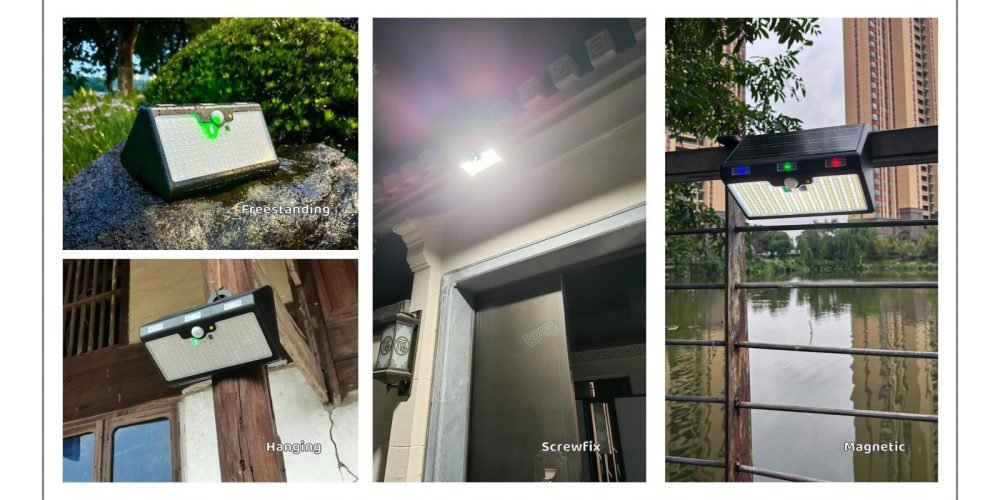
Solar motion sensor lights have become an essential component in outdoor lighting, especially as more consumers and businesses prioritize eco-friendly and cost-effective solutions. With the global push for renewable energy and sustainable practices, the demand for solar-powered lighting has seen significant growth. By 2030, the solar lighting market is projected to reach an impressive valuation, driven by advancements in solar technology, efficient energy storage solutions, and a growing awareness of climate change.
Industry Landscape and Market Growth
As of 2023, the solar outdoor lighting market has been expanding at a remarkable pace, estimated to grow at a compound annual growth rate (CAGR) exceeding 15% over the next decade. This growth is fueled by an increased adoption of solar lighting in residential, commercial, and public spaces due to its ability to provide reliable lighting without relying on traditional electricity. Furthermore, government incentives for green energy solutions and advancements in solar panel efficiency have made solar lighting more affordable and accessible.
Technological Advancements Driving Solar Lighting
Modern solar motion sensor lights incorporate several cutting-edge features that improve efficiency and functionality. High-efficiency photovoltaic panels, long-lasting lithium-ion or LiFePO4 batteries, and advanced motion detection technology allow for better energy storage, more accurate motion detection, and overall enhanced performance. With these developments, solar lights can operate for longer durations and remain functional even in low-sunlight regions.
Consumer Benefits and Usage Trends
For homeowners, businesses, and public sectors alike, solar motion sensor lights offer multiple benefits. They provide security by illuminating spaces only when motion is detected, reducing electricity costs and deterring intruders. Additionally, the convenience of a maintenance-free lighting solution that operates automatically is appealing to users in diverse locations, from rural areas without reliable power infrastructure to urban settings looking to reduce energy consumption.
Overall, solar motion sensor lighting is not just a trend but a transformative shift in outdoor lighting solutions that aligns with global sustainability goals. In the following sections, we will explore actionable tips on installing and maintaining these lights, maximizing their benefits for long-term use.
Effective installation and regular maintenance are essential to ensure optimal performance of solar motion sensor lights. Here’s a step-by-step guide to help you get the most out of these eco-friendly lighting solutions.
1. Choose the Right Location for Maximum Sunlight Exposure
- Importance: For solar lights to function optimally, the solar panel must receive ample sunlight throughout the day.
- Tip: Place lights in a location with minimal shading, ideally where they can receive at least 6–8 hours of direct sunlight. Avoid spots under trees, roof overhangs, or nearby tall buildings that may cast shadows.
- Additional Advice: For locations with less sunlight, consider lights with more efficient solar panels or higher battery capacities to maximize energy absorption.
2. Set the Ideal Mounting Height and Angle
- Importance: Proper height and angle adjustments are key to enhancing motion detection accuracy and lighting coverage.
- Tip: Mount the lights at an optimal height (typically 6–8 feet for most residential models) to capture movement efficiently. Adjust the angle so that the motion sensor covers high-traffic areas while the light beam illuminates pathways, entrances, or other desired areas.
- Additional Advice: Many solar lights come with adjustable mounting brackets. Experiment with angles and positioning to achieve the best coverage and responsiveness.
3. Regularly Clean Solar Panels and Light Fixtures
- Importance: Dirt, dust, and debris can significantly reduce the amount of sunlight that solar panels absorb, impacting battery performance and light output.
- Tip: Clean the solar panels and light fixtures with a soft cloth and mild soapy water every few months, especially in dusty or pollen-heavy seasons. Avoid harsh chemicals, as they can damage the surface.
- Additional Advice: If you live in a particularly rainy or snowy area, check panels more frequently for any build-up that may block sunlight.
4. Optimize Motion Sensor Settings Based on Location
- Importance: Different environments and use cases may require specific settings for motion sensitivity, detection range, and lighting duration.
- Tip: Adjust the sensitivity and detection range according to the area. For instance, near doorways or in narrower spaces, a lower sensitivity setting may be preferable to avoid false triggers, while a higher sensitivity setting may work well for wider, open areas like driveways.
- Additional Advice: Refer to the product’s manual to set motion detection and lighting duration based on your preferences and the location’s activity levels.
5. Perform Routine Battery Checks and Replacements
- Importance: Over time, rechargeable batteries may degrade, affecting the performance and reliability of the solar light.
- Tip: Check the battery performance annually. Many solar lights use replaceable lithium or LiFePO4 batteries. If you notice the light stays on for a shorter period or fails to charge adequately, consider replacing the battery with a compatible model.
- Additional Advice: During colder months, when sunlight exposure is reduced, monitor battery performance more closely, as lower temperatures may impact charging efficiency.
Additional Visual and Maintenance Tips
- Visual Content: Consider including diagrams of ideal light placement, mounting angles, and step-by-step images of cleaning and maintenance tasks to make the process more accessible for users.
- Maintenance Reminder: Some users set a reminder to inspect and clean their lights seasonally, ensuring optimal performance year-round.
These simple yet effective installation and maintenance practices will help maximize the performance, lifespan, and reliability of solar motion sensor lights, ensuring they remain a valuable addition to your outdoor lighting setup.
Conclusion
Solar motion sensor lights are a powerful, eco-friendly addition to any outdoor area, offering security, convenience, and energy efficiency. By following these five essential installation and maintenance tips—optimizing placement for sunlight, setting the correct height and angle, regularly cleaning, fine-tuning motion sensor settings, and performing battery checks—you can maximize the performance and longevity of your solar lights. Whether enhancing safety around entrances, illuminating pathways, or brightening up larger spaces, well-maintained solar lights deliver dependable performance and peace of mind.
For those ready to make the most of solar lighting, explore our comprehensive range of products designed for various outdoor applications. Each of our solar lights is crafted with high-quality materials, advanced motion-sensing technology, and adaptable features to meet diverse lighting needs.
Take the Next Step with Solar Motion Lighting
Visit Couleenergy’s product page to find the right solar lighting solution for your space. If you have any questions or need guidance on installation, our expert team is here to help—contact us directly at info@couleelight.com. Illuminate your outdoors, reduce energy costs, and join the growing community embracing sustainable lighting solutions today!